Cosecha Partners
Nicaragua

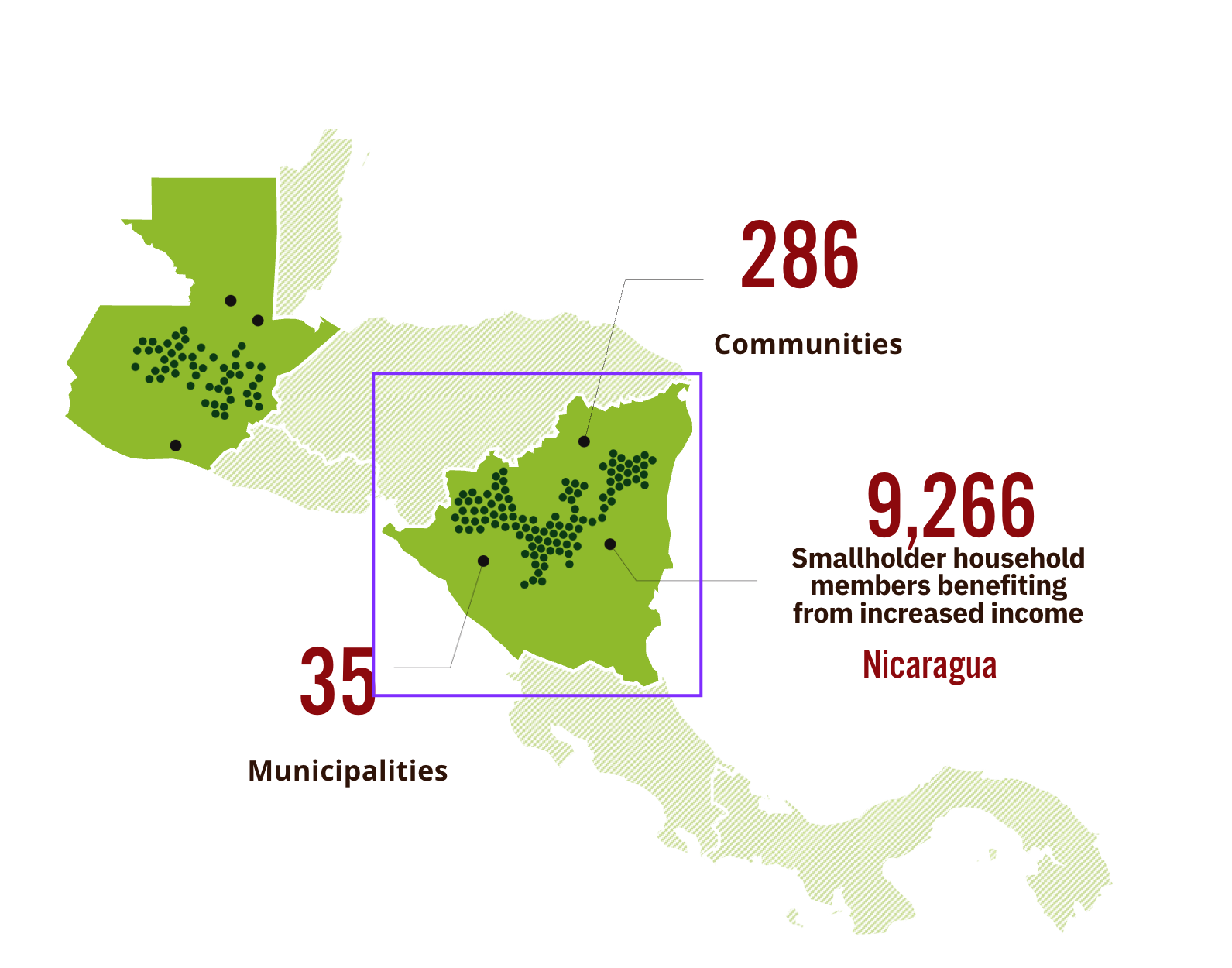
9,266 Household Members Impacted

11.3600° N, 85.8896° W

3 Years

Cosecha Partners Started in 2013
A Systems Approach to Smallholder Prosperity
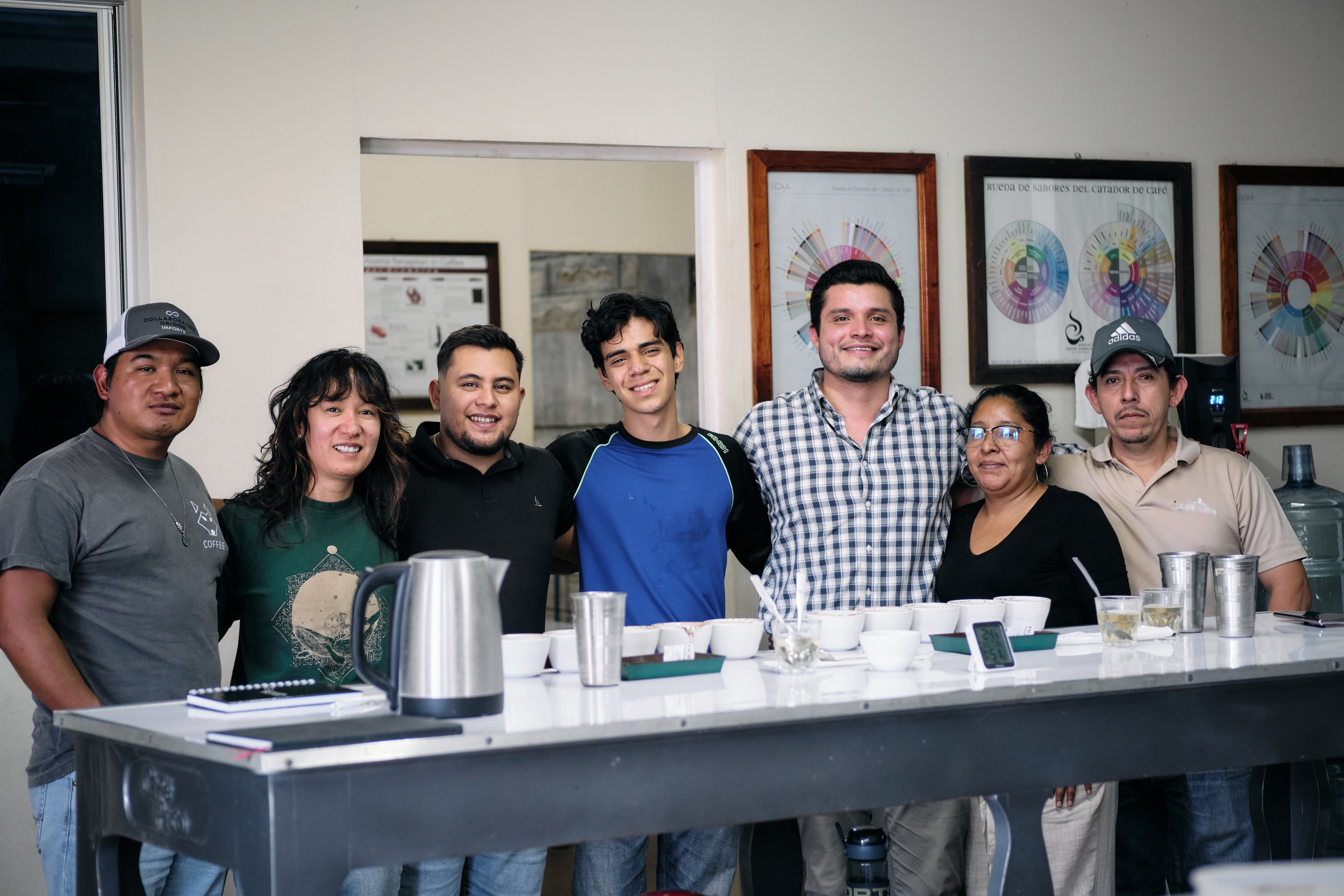
Although a bold statement, Cosecha Partners is an organization dedicated to ending rural poverty and building thriving, resilient farming communities across Central America. Their unique, locally-led program model partners with smallholder farmers, providing them with the knowledge, technology, and market access to overcome the challenges they face — from climate change and land degradation to market instability and limited resources.
For millions of smallholder farmers across Central America, poverty is not the result of a single challenge — it is the outcome of many interconnected barriers. Market exclusion, climate stress, low productivity, and limited access to resources often reinforce one another, trapping families in cycles of vulnerability.
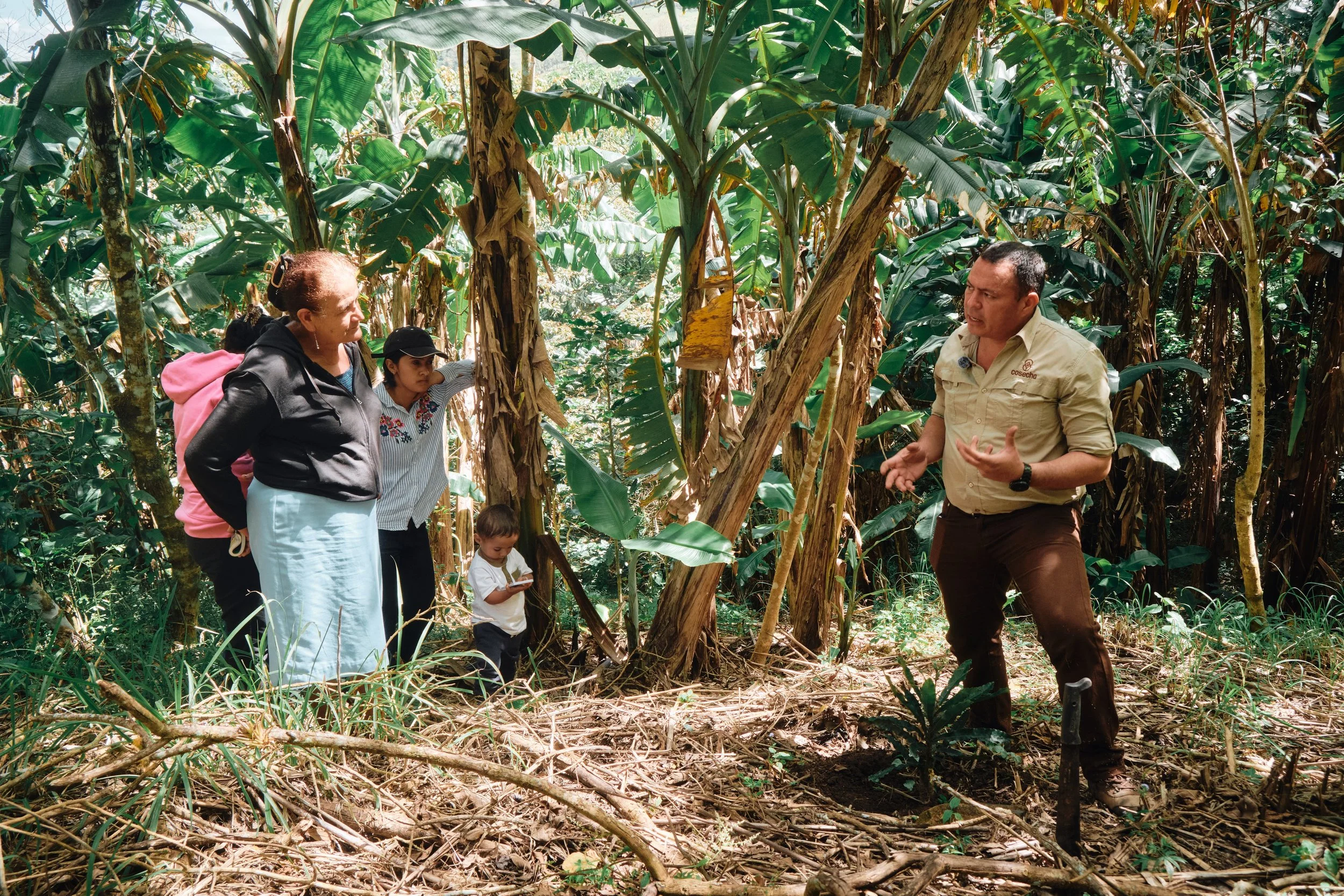
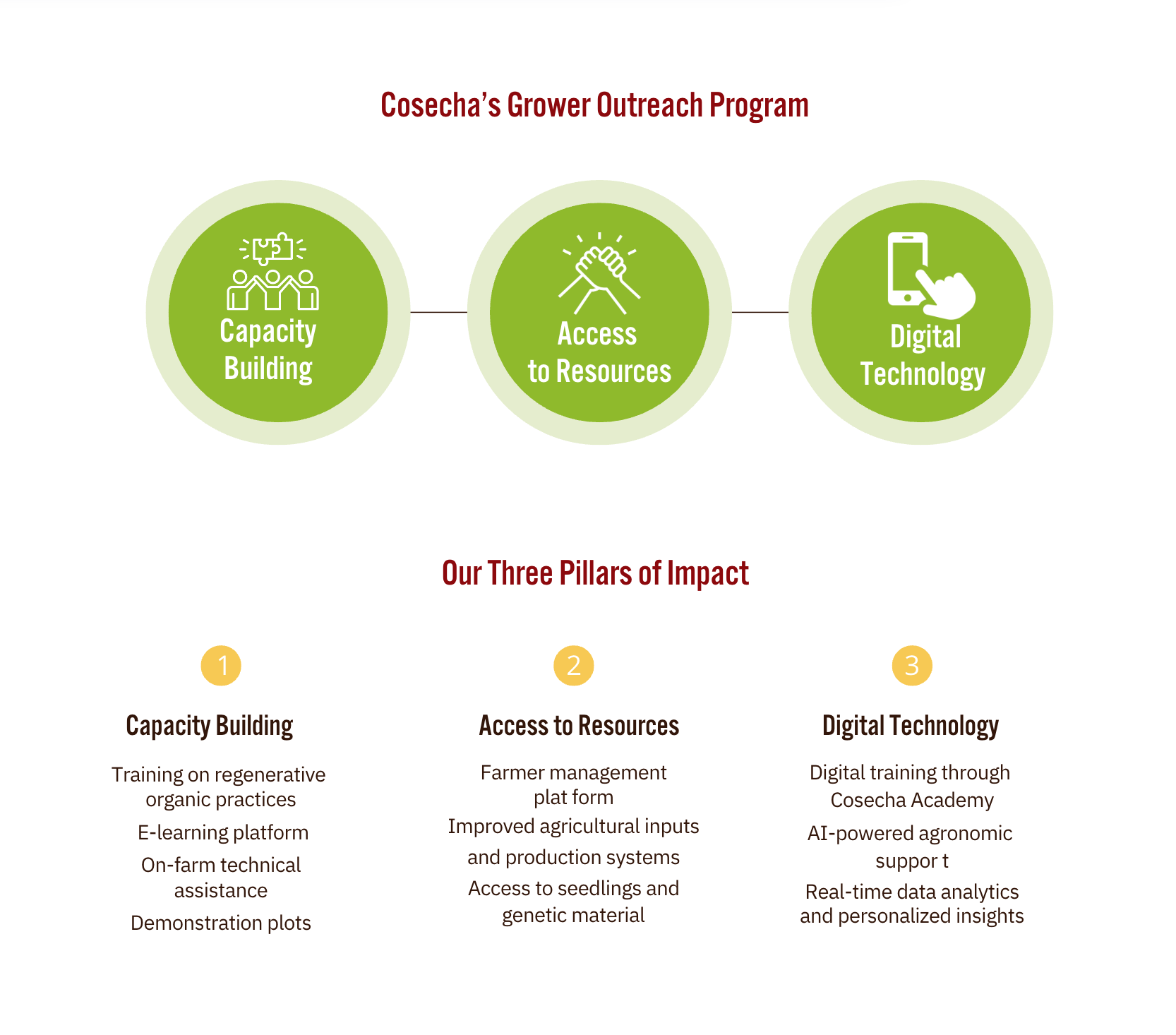
At Cosecha, they take a systems approach to breaking this cycle. Rather than addressing surface-level symptoms, our technology-enabled outreach model identifies and tackles the root causes of rural poverty. They partner with farmers through a holistic, locally-driven program that builds the skills, access, and market connections needed to transform livelihoods from the ground up. By addressing agriculture as part of a larger system — ecological, economic, and social — we help create lasting change.
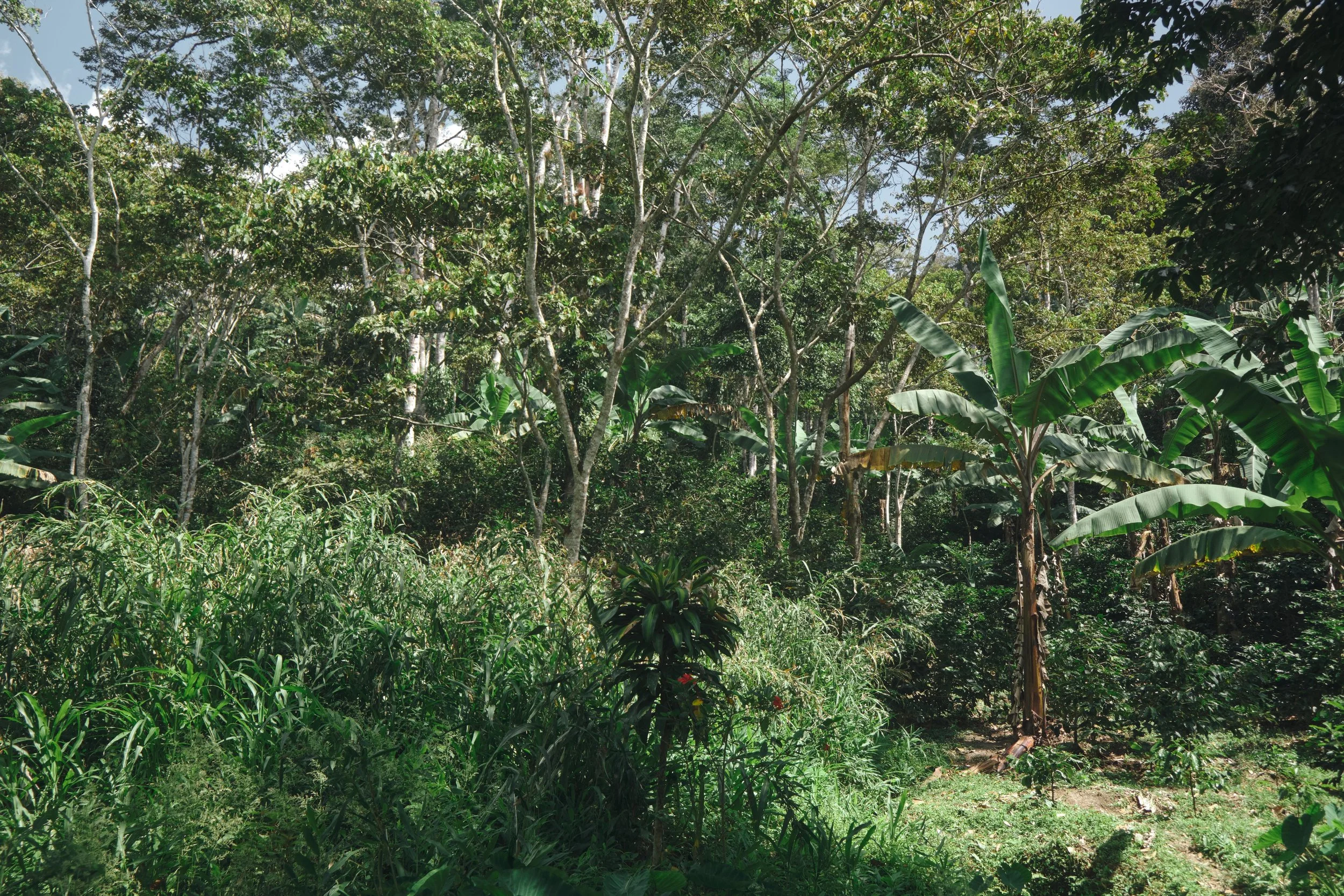
Popoyo Coffee: Where Nature Comes Together
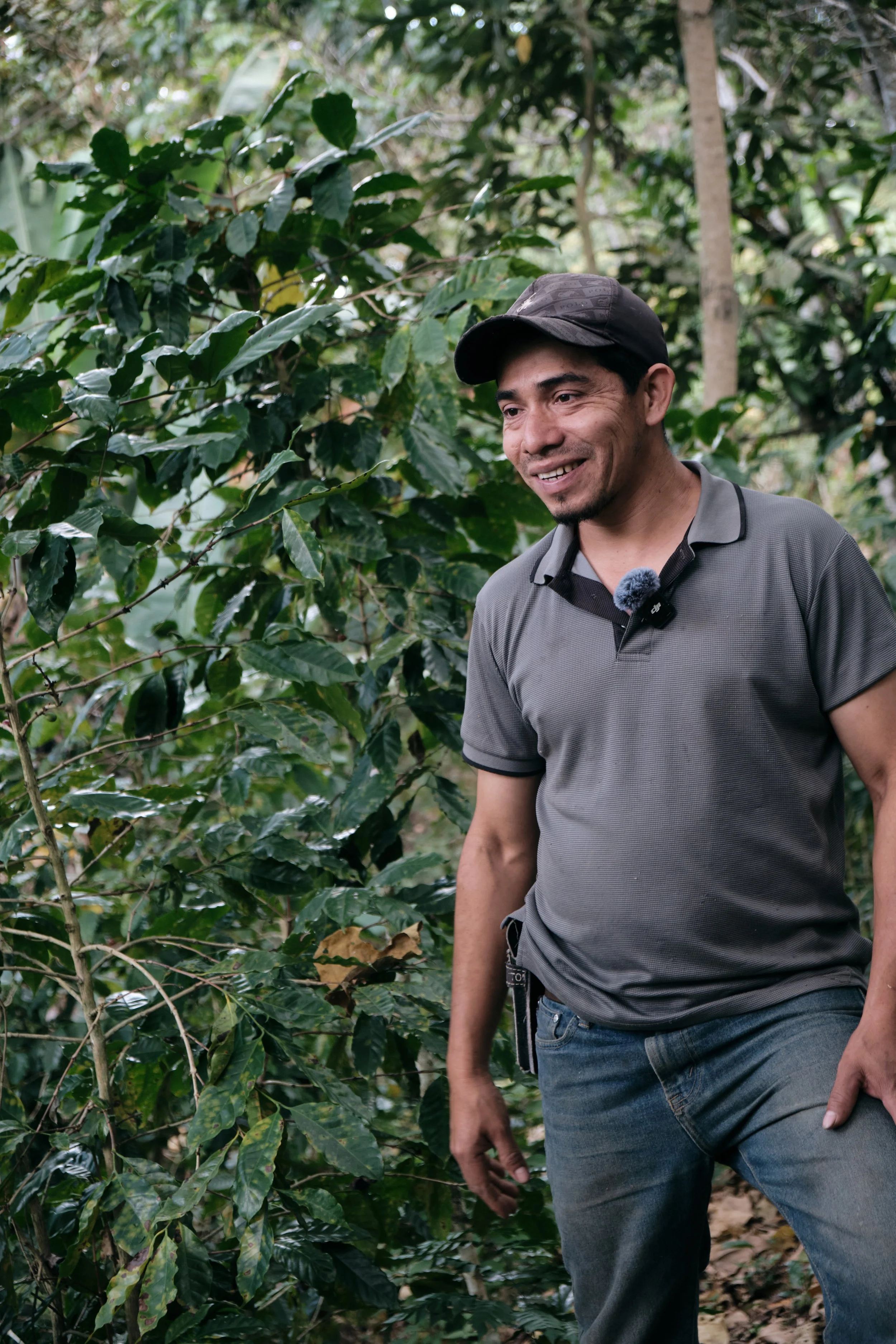
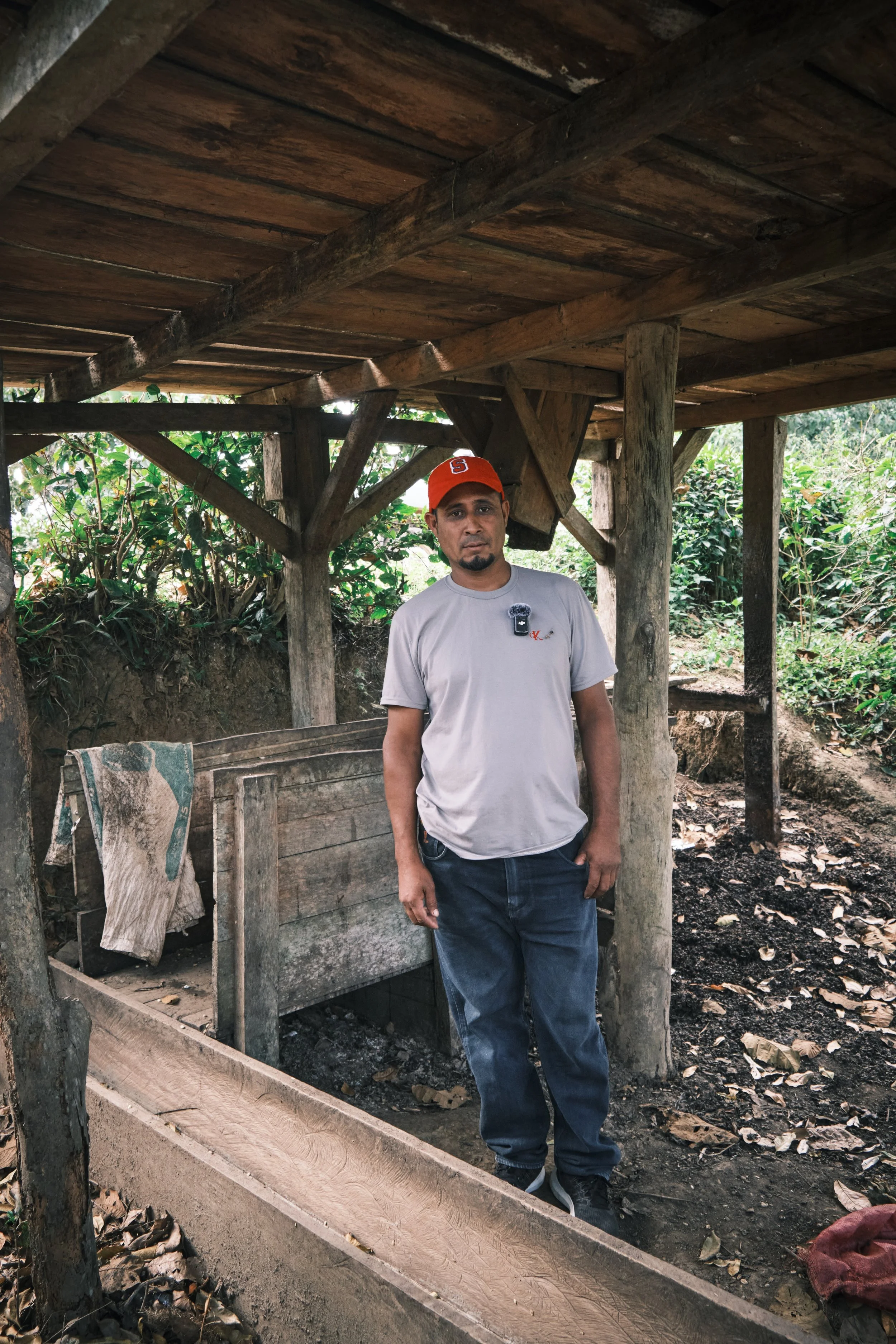
In Popoyo, progress is measured in meaningful, tangible steps. Each family within the network has worked steadily to improve their livelihoods—whether by upgrading their wet mills, investing in better housing, or ensuring their children have access to education. Some have also been able to acquire their own motorcycles or small vehicles, improving both mobility and access to markets.
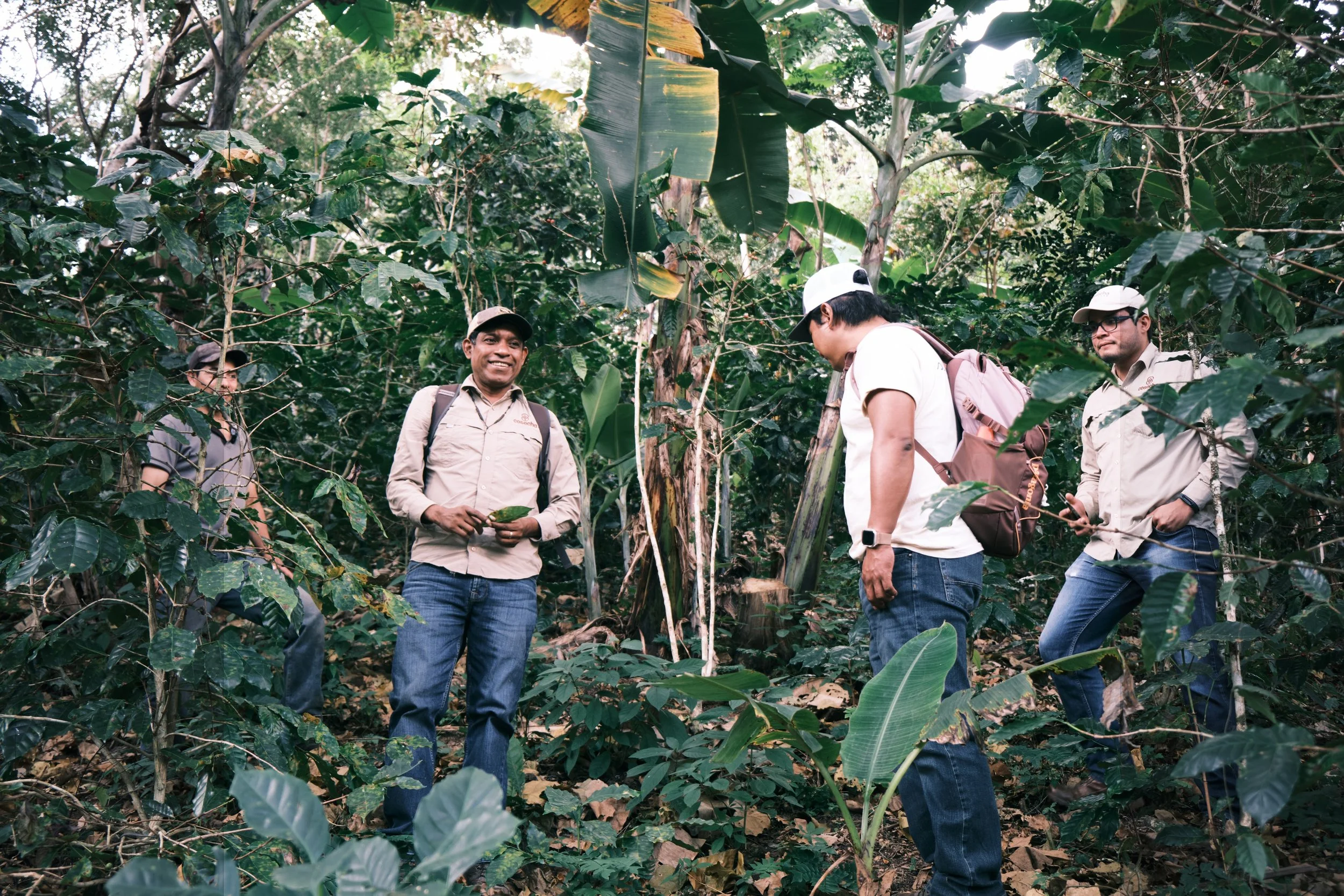
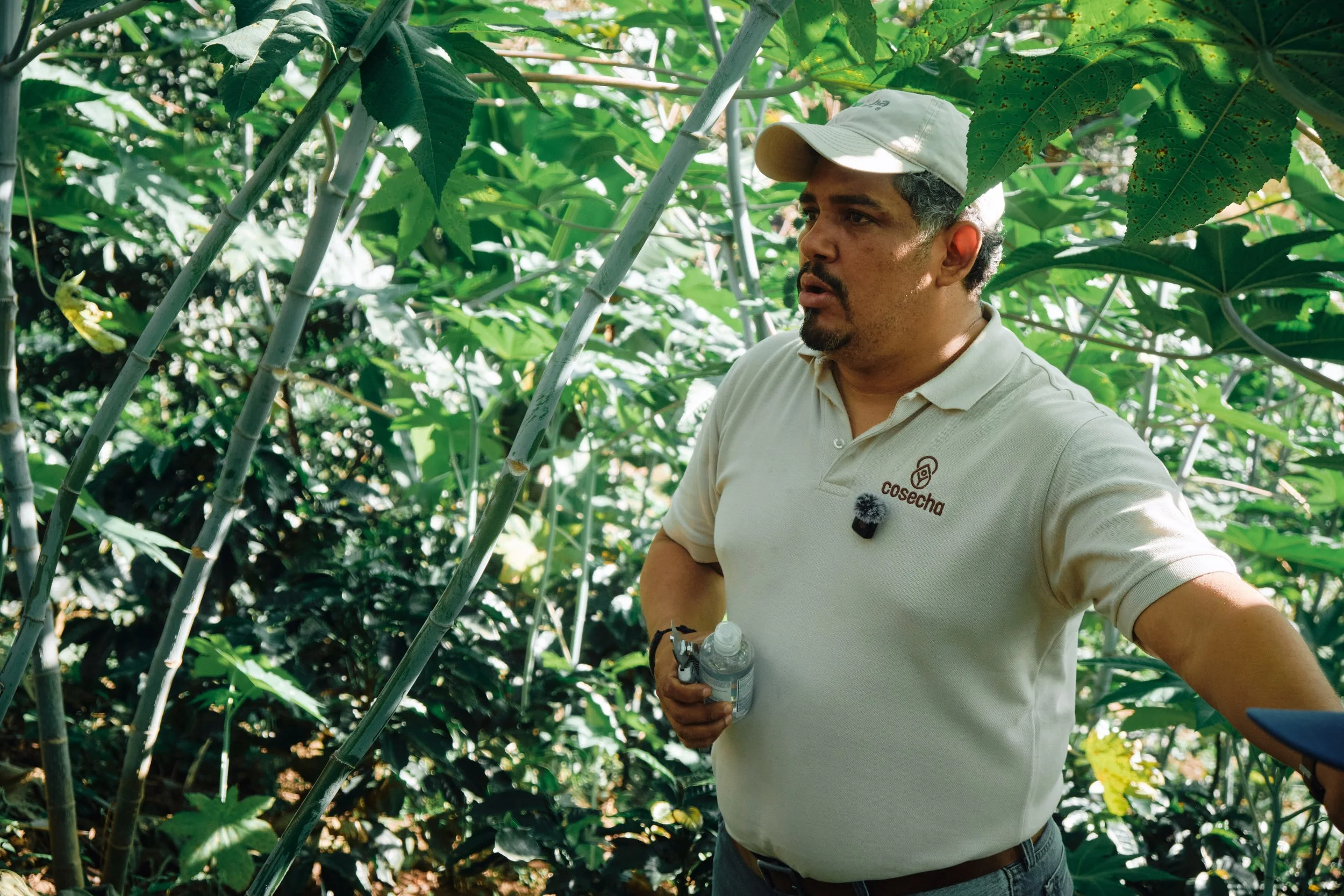
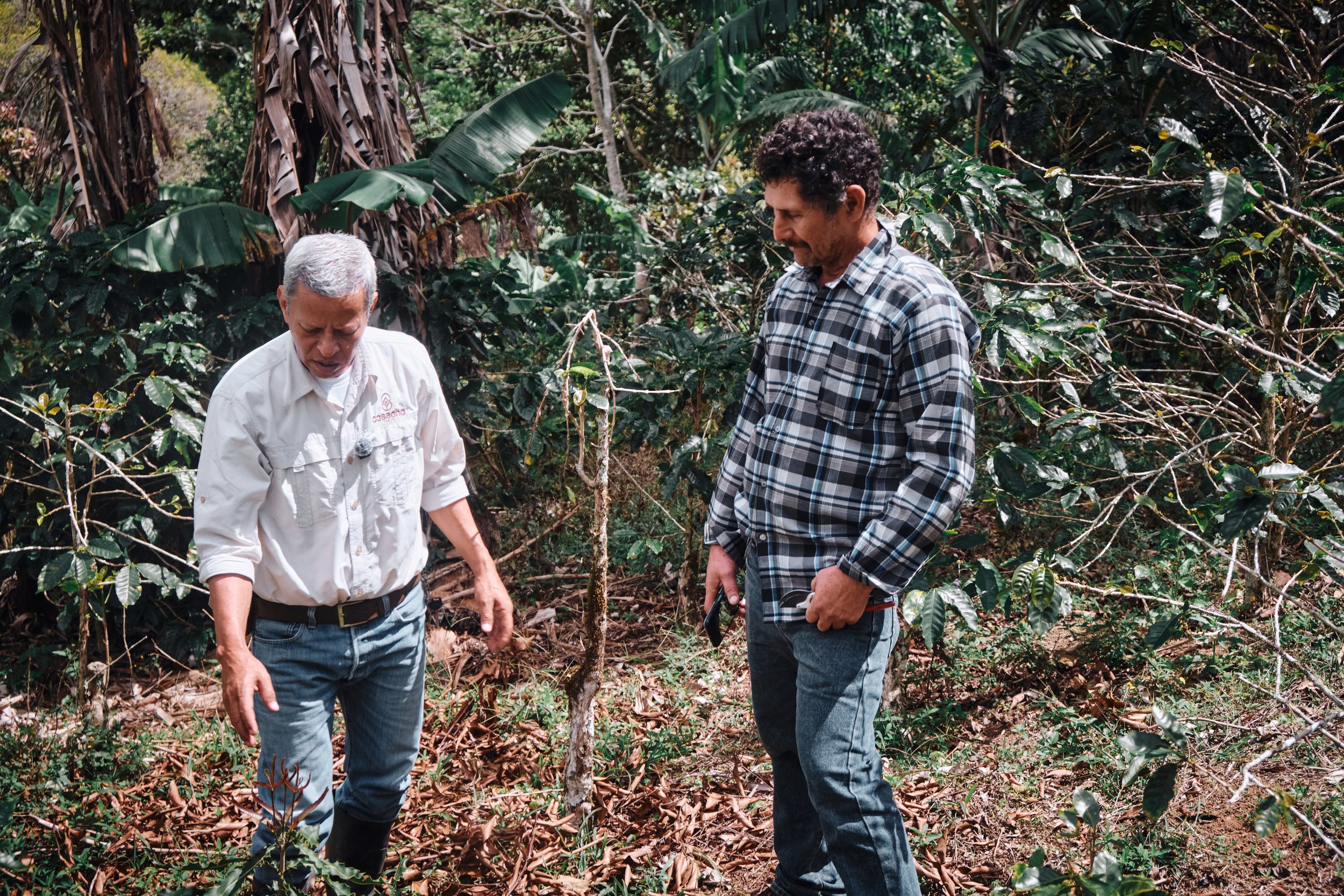
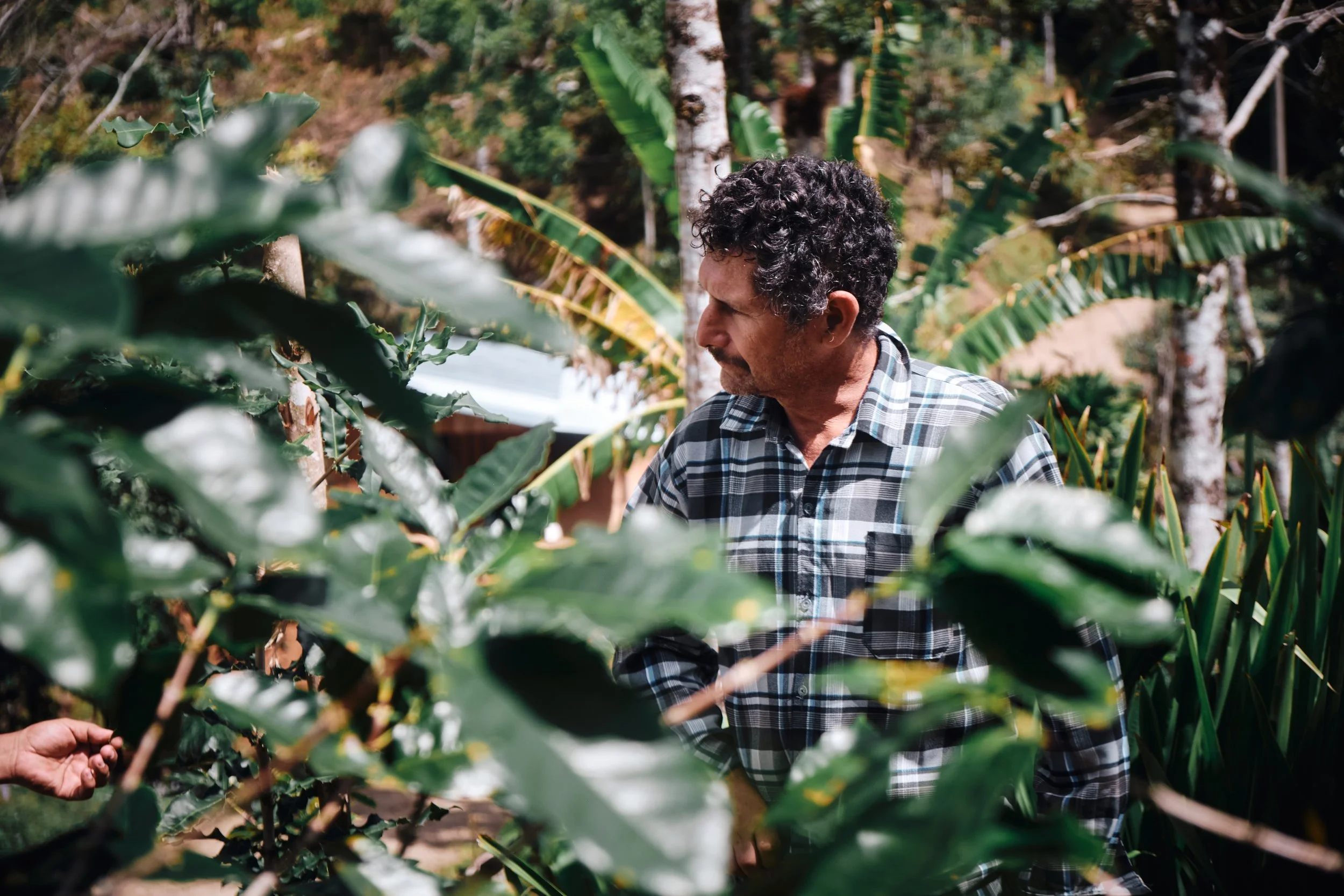
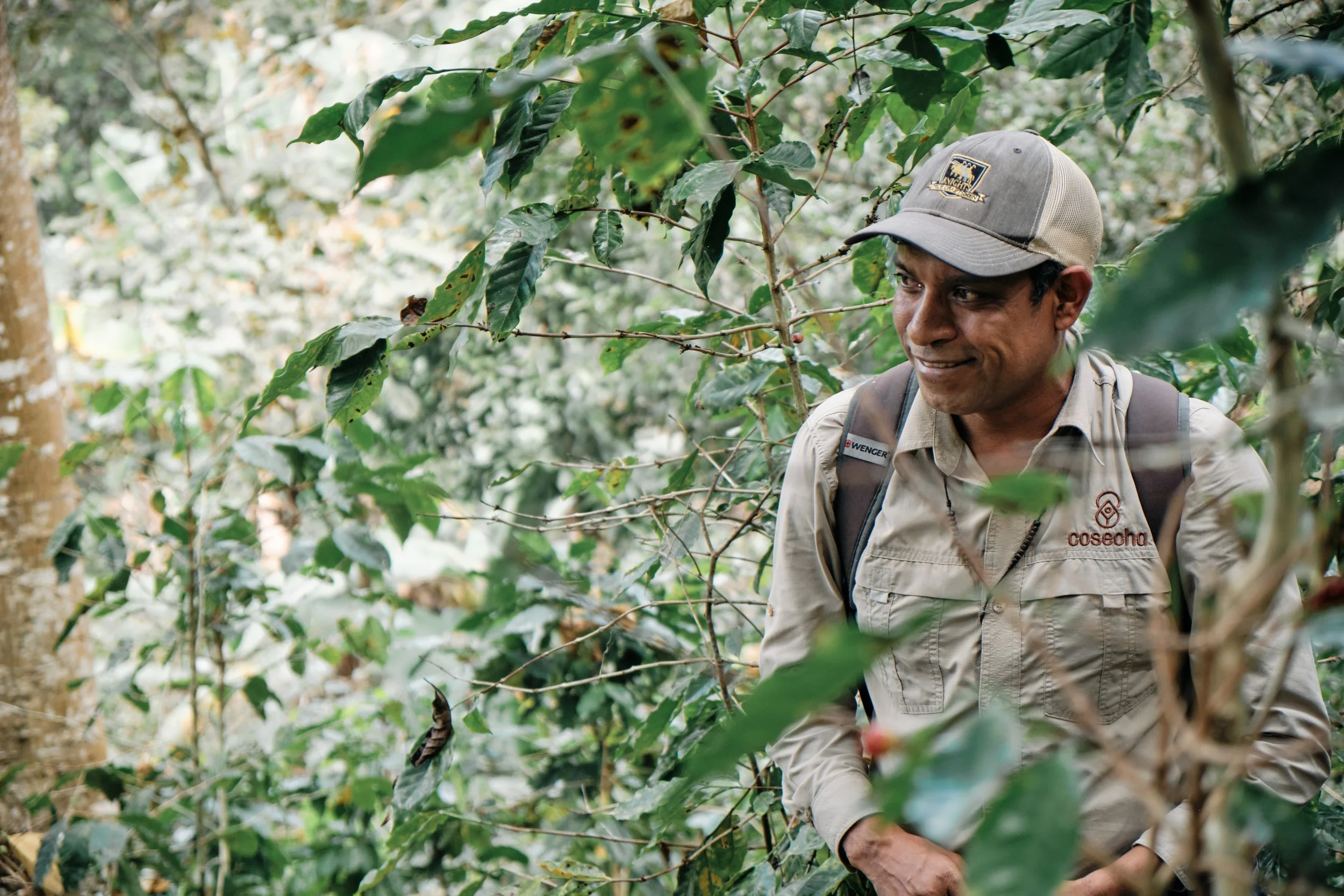
At the farm level, producers have been strengthening their practices under a more organic and regenerative approach, building resilience to climate change while improving soil health and long-term productivity. They have also developed the capacity to produce their own organic inputs, reducing dependency and increasing autonomy.
Equally important, they have helped shape a more transparent and trustworthy commercial relationship—one built on open, two-way dialogue.
Elevation, region, and processing
Popoyo coffees are grown between 950 and 1,100 meters above sea level.
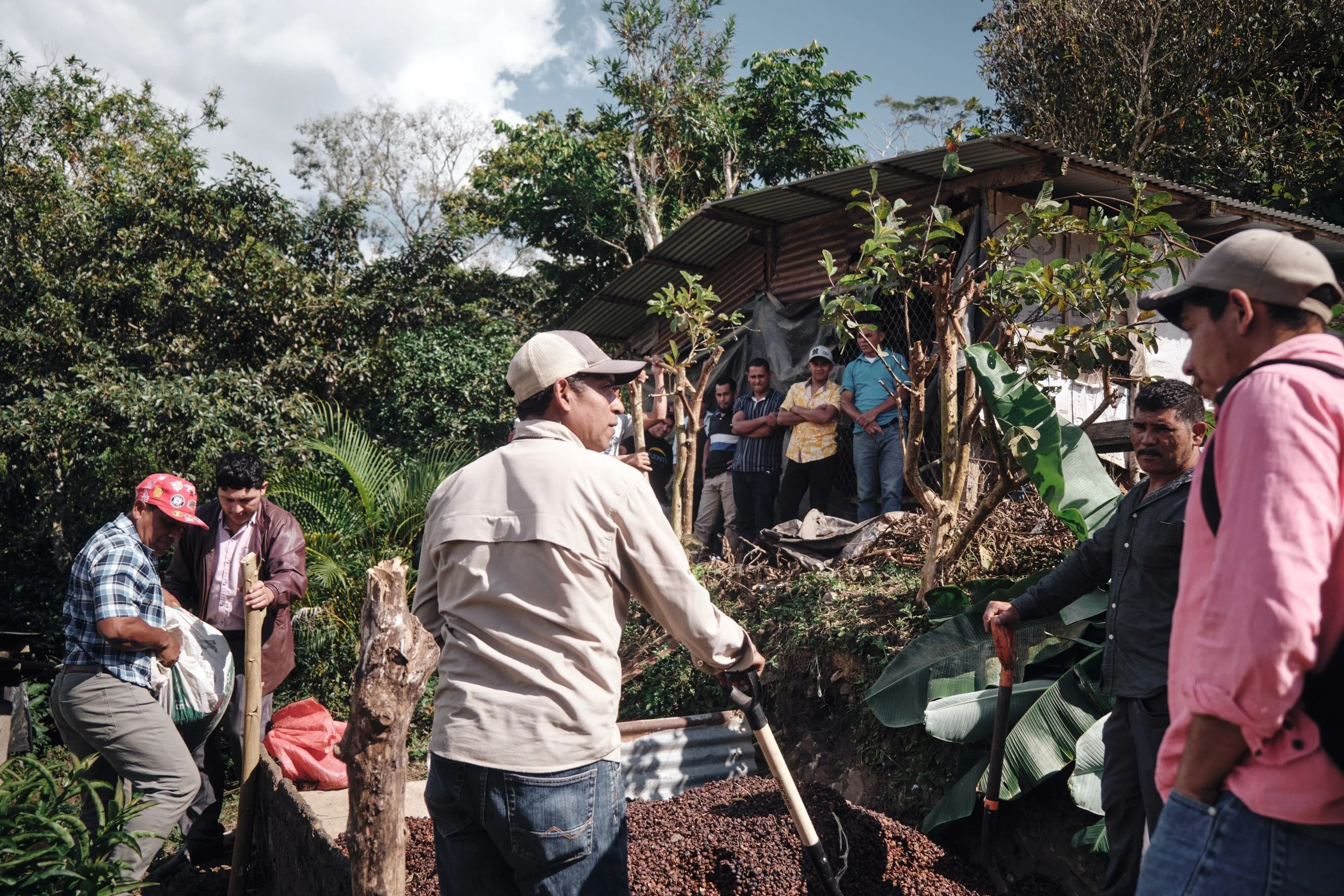
Processing varies by community. In some areas, several families come together to process coffee at a shared wet mill, while others process independently at the household level, often involving close family members.
What unites them is a strong sense of collaboration. Producers support each other across harvesting, processing, storage, and transportation.
Coffee is often transported over several kilometers to reach the main collection point in town, before continuing on to the dry mill. Some producers still rely on horses—just as previous generations did—while others use motorcycles or trucks, many of which they have been able
to acquire in recent years. This entire logistics chain is coordinated by Cosecha Partners alongside the producers to ensure the quality and integrity of the coffee throughout its journey—from the farm all the way to the dry mill.
What are their dreams for the future?
The producers of Popoyo share a deep sense of aspiration. Some dream of building or improving their wet mills; others of acquiring more land to expand their production.
Many are focused on supporting their children’s education, from primary school through to university. For younger families still living with parents or in-laws, building a home of their own is a central goal.
Beyond coffee, there is also a strong entrepreneurial spirit—families looking to start or grow small businesses such as bakeries, local eateries, or community shops.